


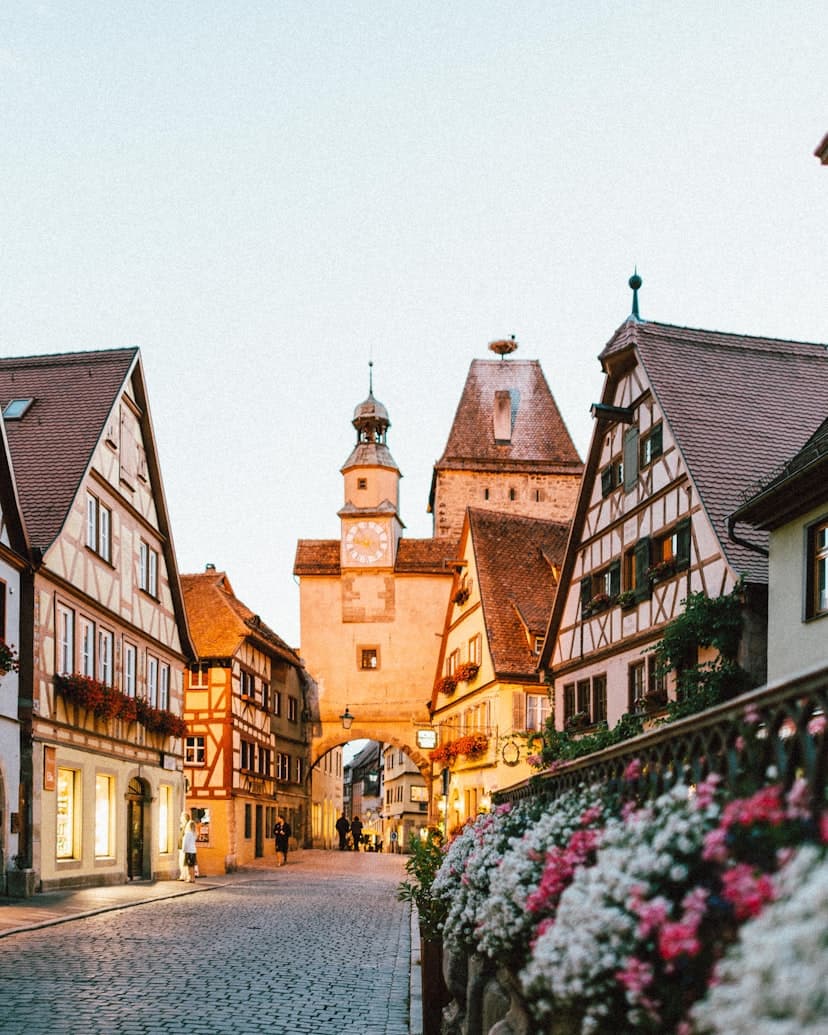
Study in Germany
Engineering excellence, almost tuition-free. Discover verified tuition costs, monthly living expenses, post-study work rights, and residency options.
Overview & Key Advantages
Germany stands out as the ultimate destination for affordable, high-calibre European education. Most public universities charge zero tuition fees for both domestic and international students, making world-class engineering, natural sciences, and business qualifications accessible at nominal semester administration costs.
Tuition-Free Public Higher Education
Public universities charge no tuition for most degree courses — students only pay a nominal semester contribution (€150–€350) including regional transit.
18-Month Post-Study Job Seeker Visa
Graduates have a full 18 months to secure employment commensurate with their qualification anywhere in Germany.
Direct Path to EU Blue Card & PR
Graduates with qualified employment can obtain a fast-track settlement permit (Niederlassungserlaubnis) in as little as 21–27 months.
Global Engineering & Automotive Capital
Direct access to industry champions like Siemens, BMW, Bosch, SAP, and Volkswagen through mandatory practical internships.
Student Visa & Entry Requirements
National (D) Student Visa / Residence Permit
Application Fee: €75
Statutory health insurance required
Statutory health insurance required (~€120/month)
€11,904/year
€11,904/year (blocked account, 2024)
Application Roadmap to Germany
Receive Admission Letter (Zulassung)
Apply directly to the university or via Uni-Assist and receive your official letter of acceptance.
Open a Blocked Account (Sperrkonto)
Deposit the legally required €11,904 into a regulated blocked account (Coracle, Expatrio, or Fintiba).
Book German Embassy Appointment
Apply for a National Visa (D) at the German Embassy or Consulate in your home country (€75 fee).
City Registration (Anmeldung) & Residence Permit
Register your address at the local Bürgeramt and apply for your electronic residence permit (Aufenthaltstitel).
Tuition Fees & Cost of Living Breakdown
Estimated Annual Tuition by Degree Level
| Degree Level | Typical Annual Cost | Key Details |
|---|---|---|
| Public Universities (Most States)Tuition-free across almost all federal states except Baden-Württemberg (€1,500/semester for non-EU). | €0 tuition (approx. €300–€700 semester contribution) | Tuition-free across almost all federal states except Baden-Württemberg (€1,500/semester for non-EU). |
| Private Universities & Business SchoolsOffer specialized English-taught degrees with high placement support. | €10,000 – €24,000 / year | Offer specialized English-taught degrees with high placement support. |
| Doctoral Programmes (PhD)PhD candidates are usually employed as academic staff with full statutory social benefits. | €0 tuition (frequently salaried research positions) | PhD candidates are usually employed as academic staff with full statutory social benefits. |
Monthly Living Expenses Budget
Average total: €950–€1,400/moRoom in shared flat (Wohngemeinschaft) with heating and utilities.
Official student health and nursing care insurance.
Groceries and campus Mensa cafeteria meals (€3–€5/meal).
Free regional transit, mobile plan (€10–€20), and leisure.
Work Rights & Settlement Pathways
Working While Enrolled
International students can work up to 140 full days (or 280 half days) per calendar year, or unlimited hours in academic campus jobs (HiWi).
Post-Study Work Visa (18-month job-seeker visa)
Upon graduating, apply for an 18-month residence permit for job-seeking (§ 20 Abs. 3 Nr. 1 AufenthG) with unrestricted right to work.
Pathway to Permanent Residency (PR)
Secure a role matching your degree and apply for an EU Blue Card. German university graduates can receive permanent settlement (Niederlassungserlaubnis) after just 21 months with B1 German (or 27 months with basic A1 German).
High Demand Employment Sectors for Graduates
Top Universities in Germany
Technical University of Munich (TUM)
Munich
Germany's top-ranked technical university renowned for engineering, robotics, and tech start-ups.
Ludwig Maximilian University of Munich (LMU)
Munich
Prestigious historic research institution in humanities, medicine, and natural sciences.
Heidelberg University
Heidelberg
Germany's oldest university, founded in 1386, celebrated for medicine and life sciences.
Frequently Asked Questions
Is public university education really tuition-free in Germany?
Yes! In 15 of Germany's 16 federal states, public universities charge zero tuition fees for all students, including non-EU nationals. You only pay a semester contribution (€150–€350) which typically includes a transit pass.
What is a Blocked Account (Sperrkonto)?
A Sperrkonto is an escrow bank account where you deposit €11,904 (2024 requirement) before traveling. Once you arrive in Germany, you receive an automated payout of €992 each month to fund your living expenses.
Can I study in Germany in English without speaking German?
Yes, hundreds of master's degree programmes are taught 100% in English. However, learning conversational German is highly recommended to thrive socially and access the broader local job market.
How soon can I get German Permanent Residence after graduating?
Graduates of German universities can apply for a permanent settlement permit after working for only 24 months, or in just 21 months under the EU Blue Card scheme with B1 German language skills.
 A note on immigration routes
Visa categories, post-study work rights and permanent residence pathways shown on NELO are guidance only, based on publicly available rules at the time of writing — they are not immigration advice and can change without notice. Always confirm current requirements directly with the official government immigration authority for your destination before making any decisions.
- United KingdomUK Visas and Immigration (gov.uk)Opens in a new tab

- CanadaImmigration, Refugees and Citizenship CanadaOpens in a new tab
- AustraliaDepartment of Home Affairs (Australia)Opens in a new tab
- United StatesStudy in the States (U.S. DHS)Opens in a new tab
- IrelandIrish Immigration Service DeliveryOpens in a new tab
- GermanyMake it in Germany (Federal Government)Opens in a new tab
- New ZealandImmigration New ZealandOpens in a new tab
- MalaysiaMalaysia Immigration Department (Imigresen)Opens in a new tab











 Start your journey
Explore.Learn.Succeed.

Your journey starts with one upload. See your matches in minutes.





 STAY UPDATED
Deadlines, scholarships and visa updates — in your inbox.
One email a month. No spam, unsubscribe anytime.